




[raw]
Steps to Make It.
Ingredients
a:8:{i:0;a:3:{s:10:"ingredient";s:2:"01";s:8:"quantity";s:1:"3";s:4:"unit";s:30:"cups Sona Masuri (Masoori) rice, or idli rice";}i:1;a:3:{s:10:"ingredient";s:2:"02";s:8:"quantity";s:1:"1";s:4:"unit";s:18:"cup urad dal (black gram)";}i:2;a:3:{s:10:"ingredient";s:2:"03";s:8:"quantity";s:1:"1";s:4:"unit";s:10:"teaspoon fenugreek seeds";}i:3;a:3:{s:10:"ingredient";s:2:"04";s:8:"quantity";s:1:"3";s:4:"unit";s:12:"cups water, more as needed";}i:4;a:3:{s:10:"ingredient";s:2:"05";s:8:"quantity";s:1:"1";s:4:"unit";s:8:"teaspoon fine salt";}i:5;a:3:{s:10:"ingredient";s:2:"06";s:8:"quantity";s:0:"";s:4:"unit";s:13:"Ghee or vegetable oil, as needed";}i:6;a:3:{s:10:"ingredient";s:2:"07";s:8:"quantity";s:1:"1";s:4:"unit";s:16:"medium yellow onion, finely chopped";}i:7;a:3:{s:10:"ingredient";s:2:"08";s:8:"quantity";s:1:"2";s:4:"unit";s:18:"green chillies, such as serrano, finely chopped ";}}Nutritions
a:7:{i:0;a:4:{s:4:"name";s:8:"Calories";s:8:"quantity";s:3:"250";s:4:"unit";s:4:"kcal";s:11:"description";s:0:"";}i:1;a:4:{s:4:"name";s:7:"Protein";s:8:"quantity";s:2:"10";s:4:"unit";s:1:"g";s:11:"description";s:0:"";}i:2;a:4:{s:4:"name";s:13:"Carbohydrates";s:8:"quantity";s:3:"250";s:4:"unit";s:2:"mg";s:11:"description";s:0:"";}i:3;a:4:{s:4:"name";s:5:"Sugar";s:8:"quantity";s:3:"605";s:4:"unit";s:2:"mg";s:11:"description";s:0:"";}i:4;a:4:{s:4:"name";s:4:"Salt";s:8:"quantity";s:2:"51";s:4:"unit";s:1:"g";s:11:"description";s:0:"";}i:5;a:4:{s:4:"name";s:6:"Energy";s:8:"quantity";s:4:"1870";s:4:"unit";s:2:"kJ";s:11:"description";s:0:"";}i:6;a:4:{s:4:"name";s:3:"Fat";s:8:"quantity";s:2:"58";s:4:"unit";s:1:"g";s:11:"description";s:0:"";}}a:22:{i:0;a:2:{s:5:"title";s:22:"Gather the ingredients";s:4:"text";s:78:"Gather all ingredients and measure them out before starting the recipe.
";}i:1;a:2:{s:5:"title";s:22:"Wash the rice and dal";s:4:"text";s:97:"Place 3 cups Sona Masuri or idli rice and 1 cup urad dal in separate bowls. Wash and drain both the rice and urad dal until the water runs clear.
";}i:2;a:2:{s:5:"title";s:39:"Soak the rice and urad dal";s:4:"text";s:145:"Add 2 cups water to the bowl with rice and 1 cup water to the bowl with urad dal. In the same bowl as the urad dal, add 1 teaspoon fenugreek seeds. Leave to soak for 4 to 6 hours.
";}i:3;a:2:{s:5:"title";s:29:"Prepare the blender";s:4:"text";s:96:"Strain the water from the urad dal and fenugreek seeds and add them to a blender.
";}i:4;a:2:{s:5:"title";s:27:"Blend the urad dal";s:4:"text";s:118:"Add just enough fresh water to allow the urad dal to begin blending, about 1/4 cup. When the batter becomes sticky and thick, stop the blender and add more water.
";}i:5;a:2:{s:5:"title";s:30:"Prepare the fermentation bowl";s:4:"text";s:164:"When the batter becomes smooth and fluffy, empty it into a large bowl. This will be the bowl that you ferment your final batter in, so it will need space to rise up to twice its volume. Set aside.
";}i:6;a:2:{s:5:"title";s:26:"Blend the rice";s:4:"text";s:126:"Strain the rice and add it to the blender. If you have a small blender, blend in batches, just half or one-third of the rice at a time.
";}i:7;a:2:{s:5:"title";s:31:"Combine rice and urad dal";s:4:"text";s:114:"Once finished, add the rice batter to the bowl with the urad dal batter and mix it thoroughly with a spatula.
";}i:8;a:2:{s:5:"title";s:26:"Ferment the batter";s:4:"text";s:158:"Add 1 teaspoon fine salt, cover the bowl, and transfer it to a warm, dry place. Allow to ferment for 8 to 12 hours.
";}i:9;a:2:{s:5:"title";s:27:"Check the fermentation";s:4:"text";s:214:"After 8 hours, start checking your batter for readiness. You will know it’s properly fermented if it’s risen considerably (about double in volume) and if it has a slightly sour scent. Once fermented, stir the batter to check that the consistency is light, fluffy, and pourable. If the batter feels too thick, add water 1 tablespoon at a time until desired consistency is reached.
";}i:10;a:2:{s:5:"title";s:28:"Heat the skillet";s:4:"text";s:95:"Heat a large skillet, preferably nonstick, on medium-high and lightly grease it with ghee or vegetable oil.
";}i:11;a:2:{s:5:"title";s:27:"Pour the batter";s:4:"text";s:132:"Using a ladle, pour a portion of batter onto the center of the pan. It should be average in thickness, neither as thin as a dosa or as thick as an American pancake.
";}i:12;a:2:{s:5:"title";s:36:"Add toppings while cooking";s:4:"text";s:119:"While still cooking, sprinkle some of the chopped onions, chillies, and cilantro over top the uttapam.
";}i:13;a:2:{s:5:"title";s:35:"Drizzle ghee around edges";s:4:"text";s:143:"Drizzle 1 teaspoon ghee or vegetable oil around the circumference of the uttapam to encourage the edges to turn golden brown and crisp. Once this begins to happen, flip the uttapam using a wooden or metal spatula.
";}i:14;a:2:{s:5:"title";s:31:"Press and check readiness";s:4:"text";s:118:"Press the uttapam lightly to ensure the toppings stick. Once the toppings begin to brown slightly, the uttapam is ready.
";}i:15;a:2:{s:5:"title";s:25:"Serve and enjoy";s:4:"text";s:131:"Repeat until you’ve used all the batter or until you’ve made as many uttapams as you want. Transfer to a plate and serve hot with coconut chutney and/or sambar.
";}}HTML Directions
-
1Gather Ingredients
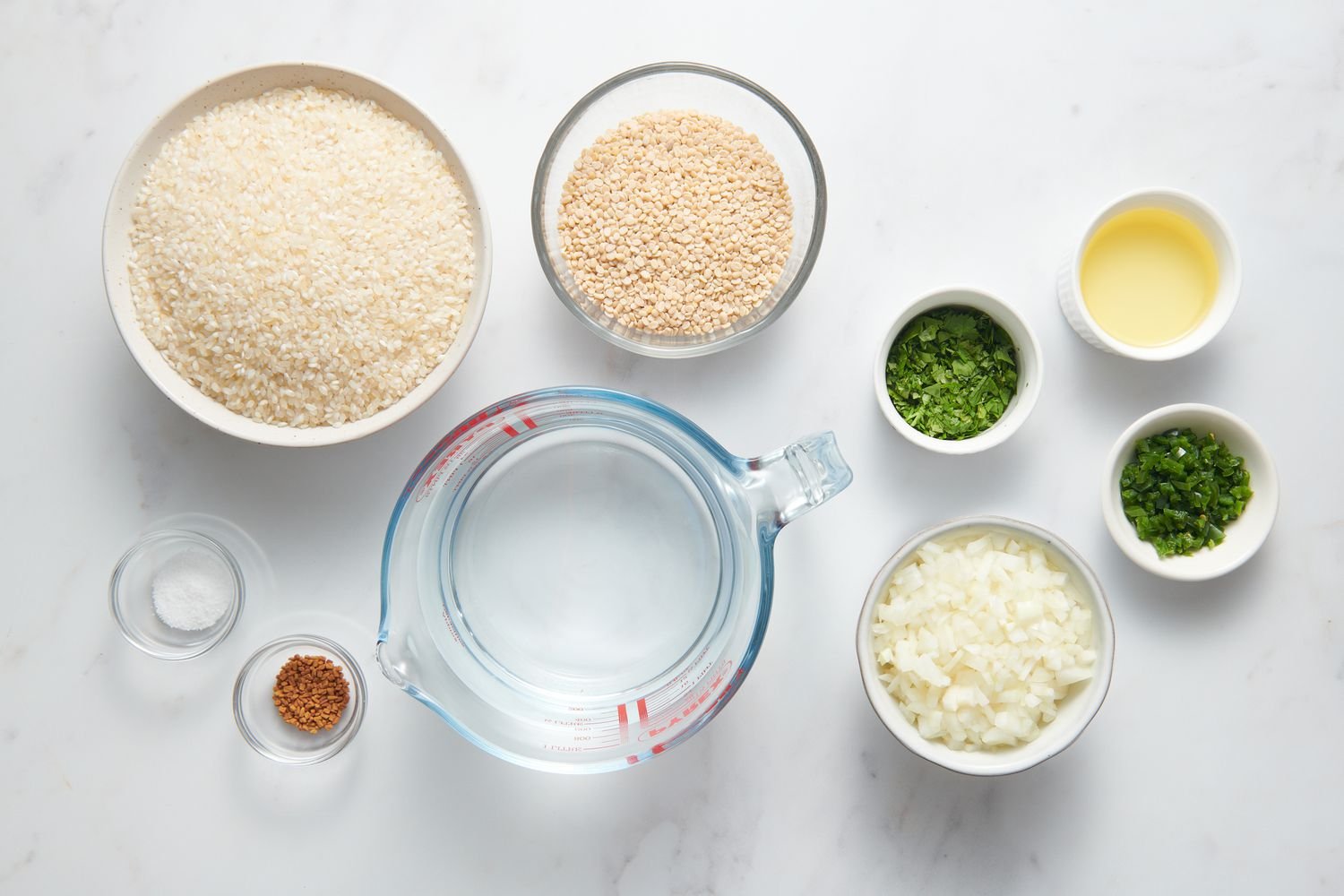
Gather the ingredients needed for the recipe.
-
2Wash Rice and Dal
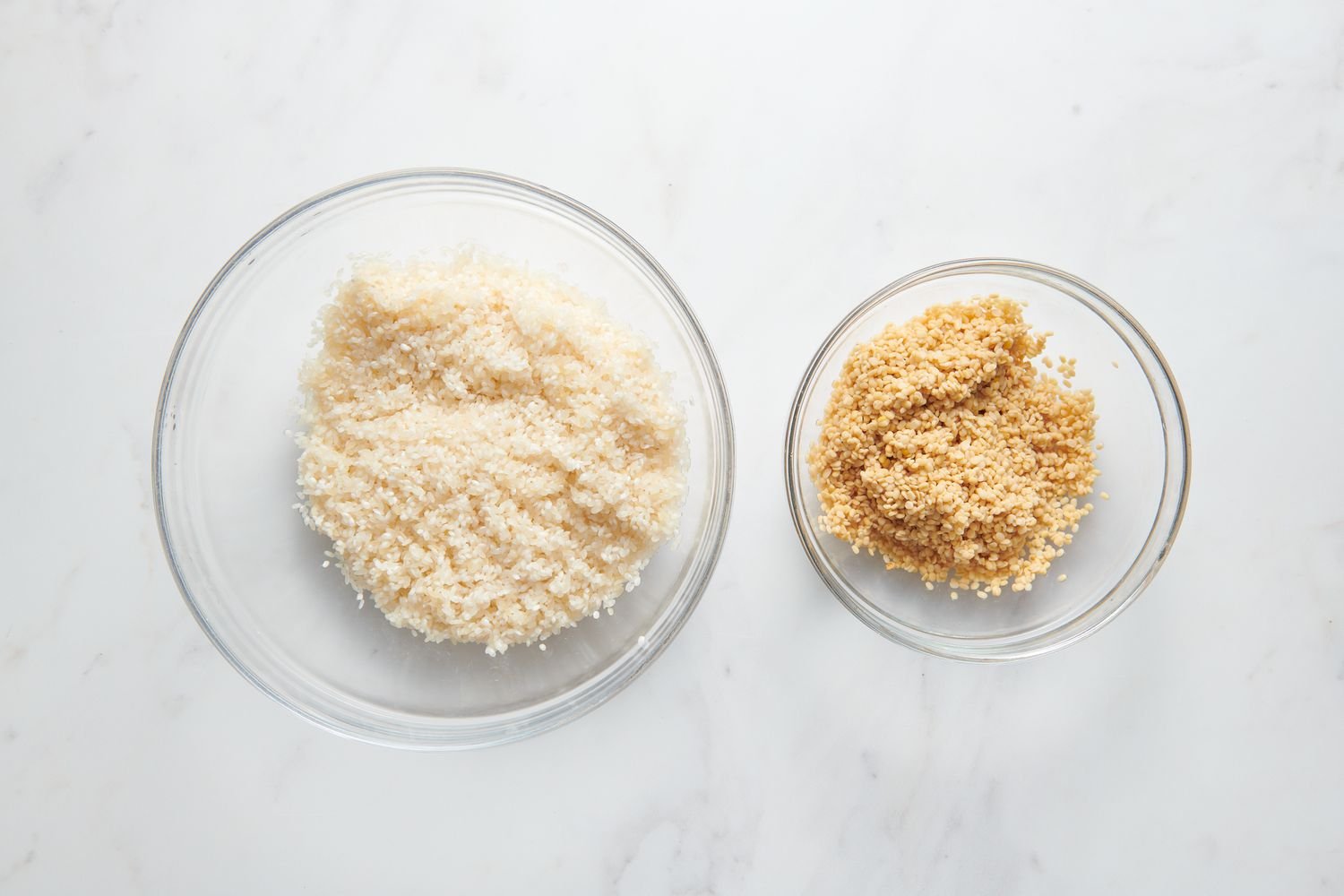
Place 3 cups of Sona Masuri or idli rice and 1 cup of urad dal in separate bowls. Wash and drain both until the water runs clear.
-
3Soak Rice and Dal
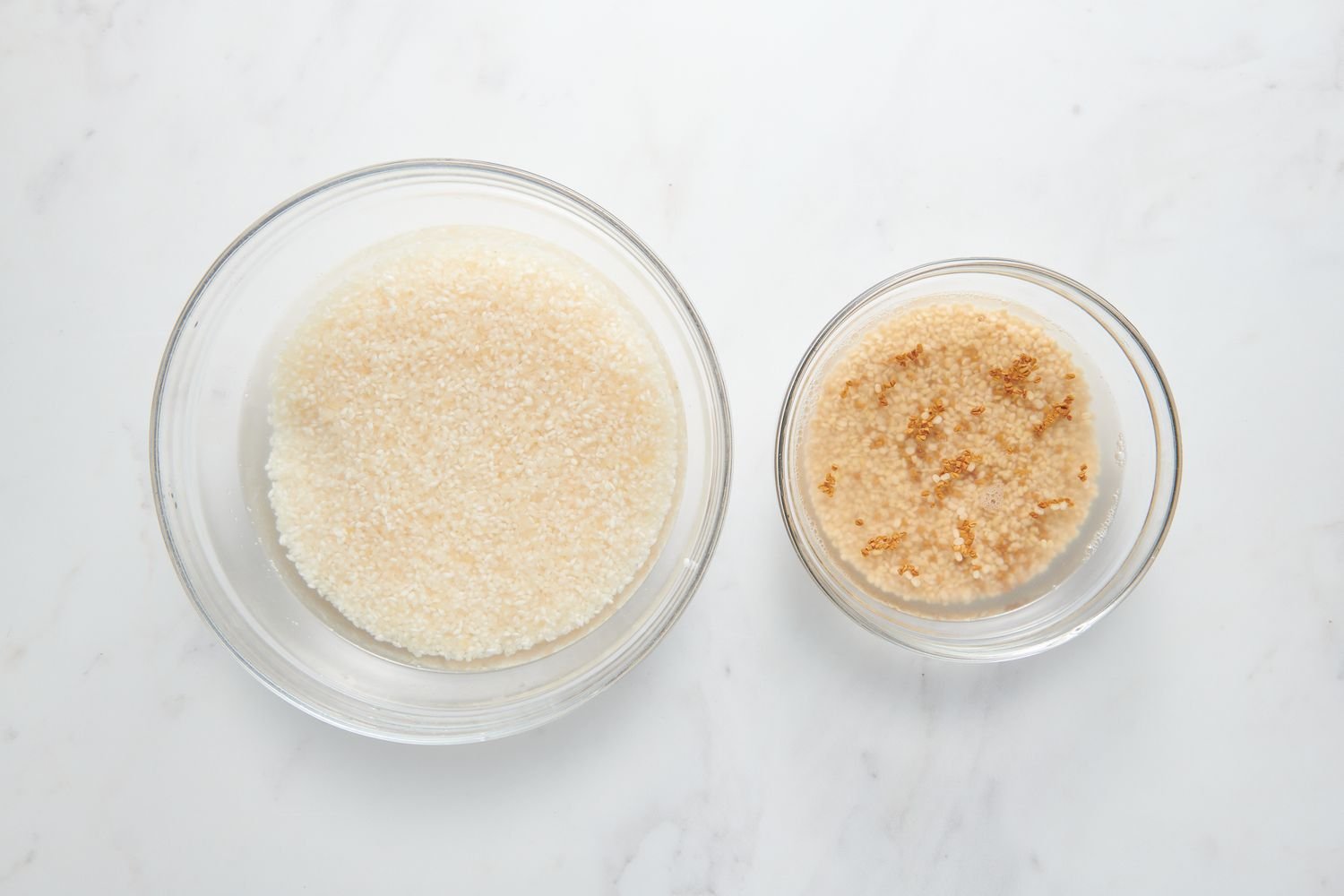
Add 2 cups of water to the rice and 1 cup of water plus 1 teaspoon of fenugreek seeds to the urad dal. Let them soak for 4 to 6 hours.
-
4Blend Urad Dal
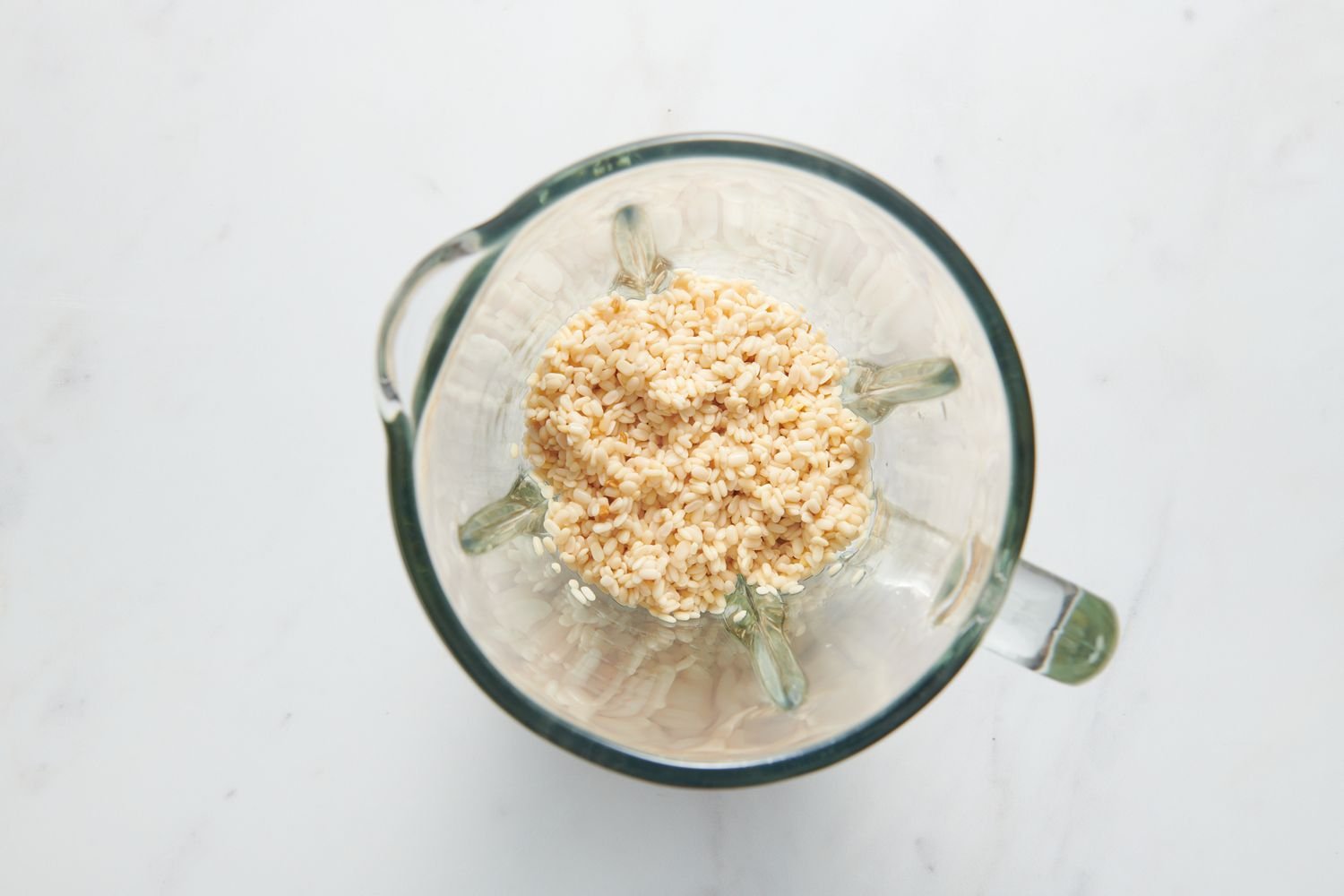
Strain the water from the urad dal and fenugreek seeds and add them to a blender.
-
5Create Urad Dal Batter
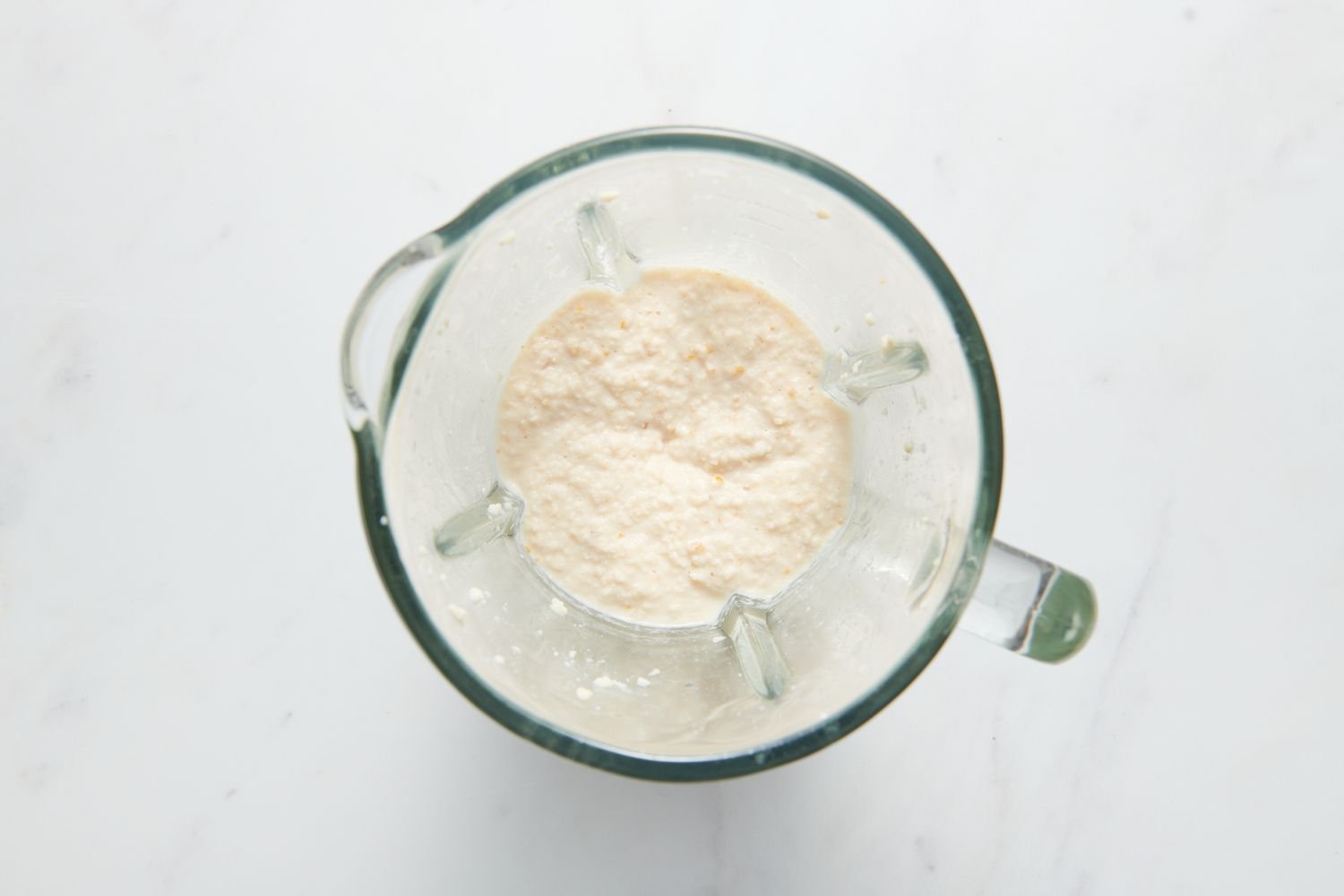
Add about 1/4 cup of fresh water to help blend the urad dal. After it thickens, continue with more water until it reaches a pourable consistency, about 1/2 cup more.
-
6Transfer to Fermentation Bowl
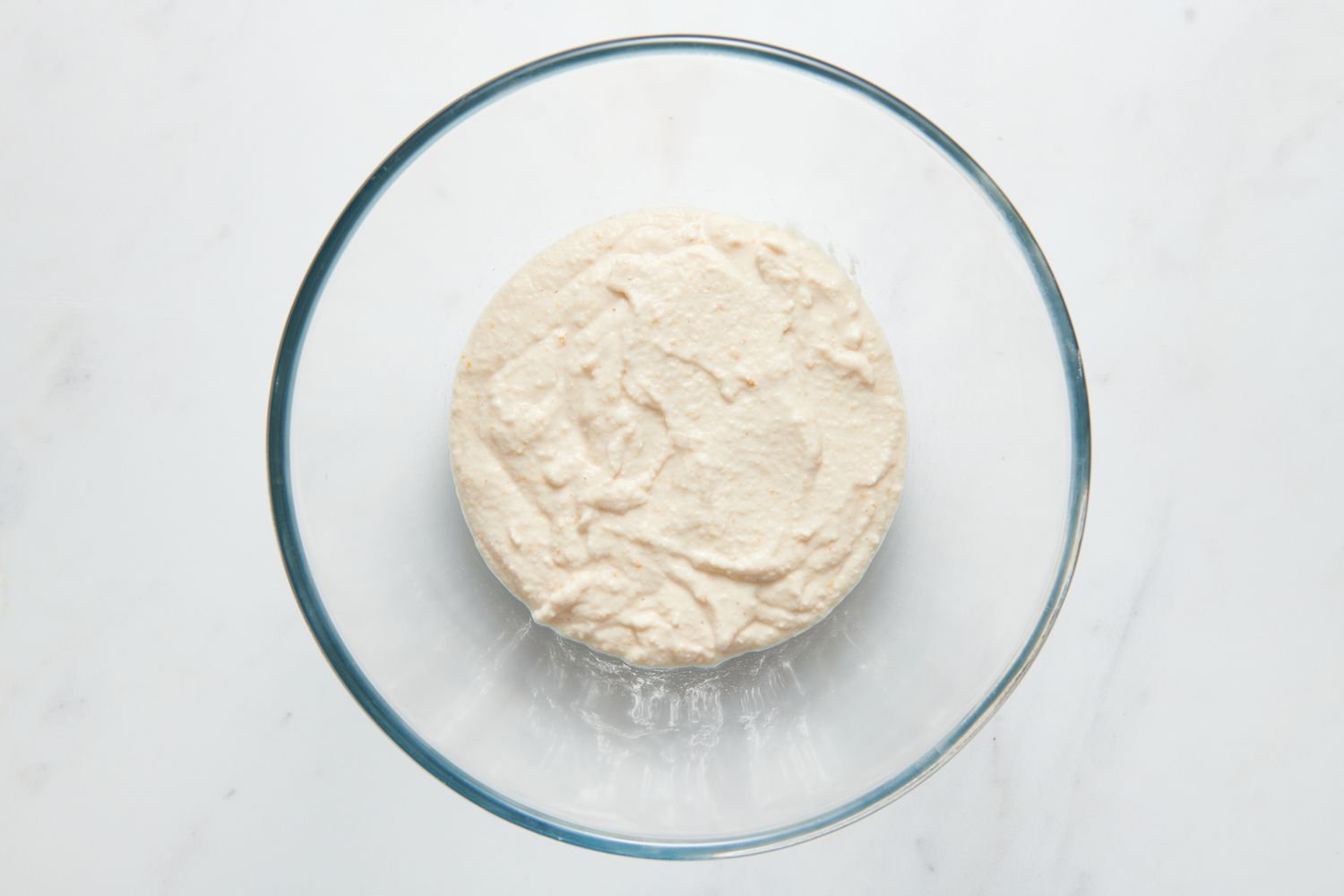
Once smooth and fluffy, empty the batter into a large bowl, allowing enough space for it to rise during fermentation.
-
7Blend Rice
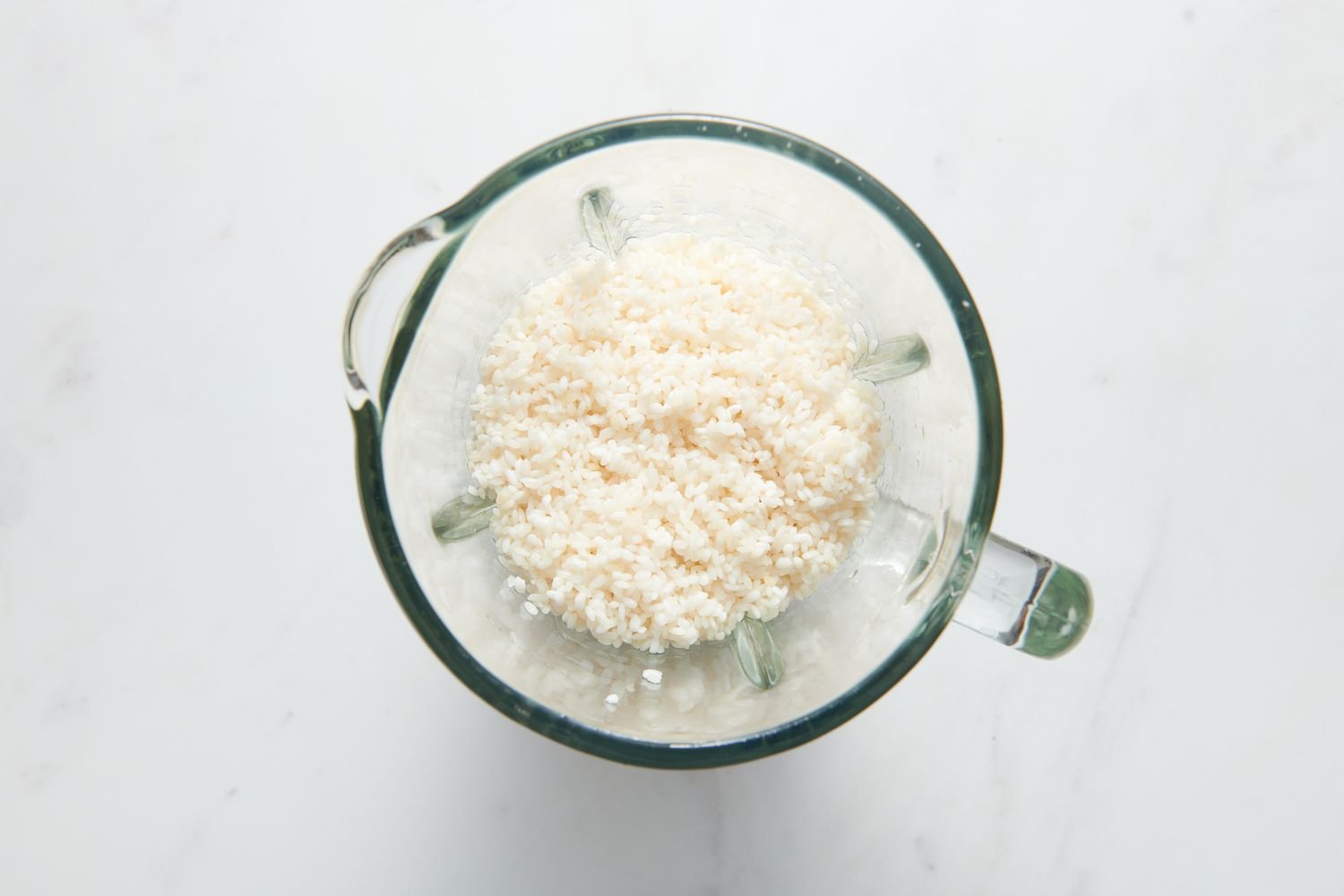
Strain the rice and add it to the blender. Blend in batches if necessary, processing only part of the rice at a time.
-
8Prepare Rice Batter
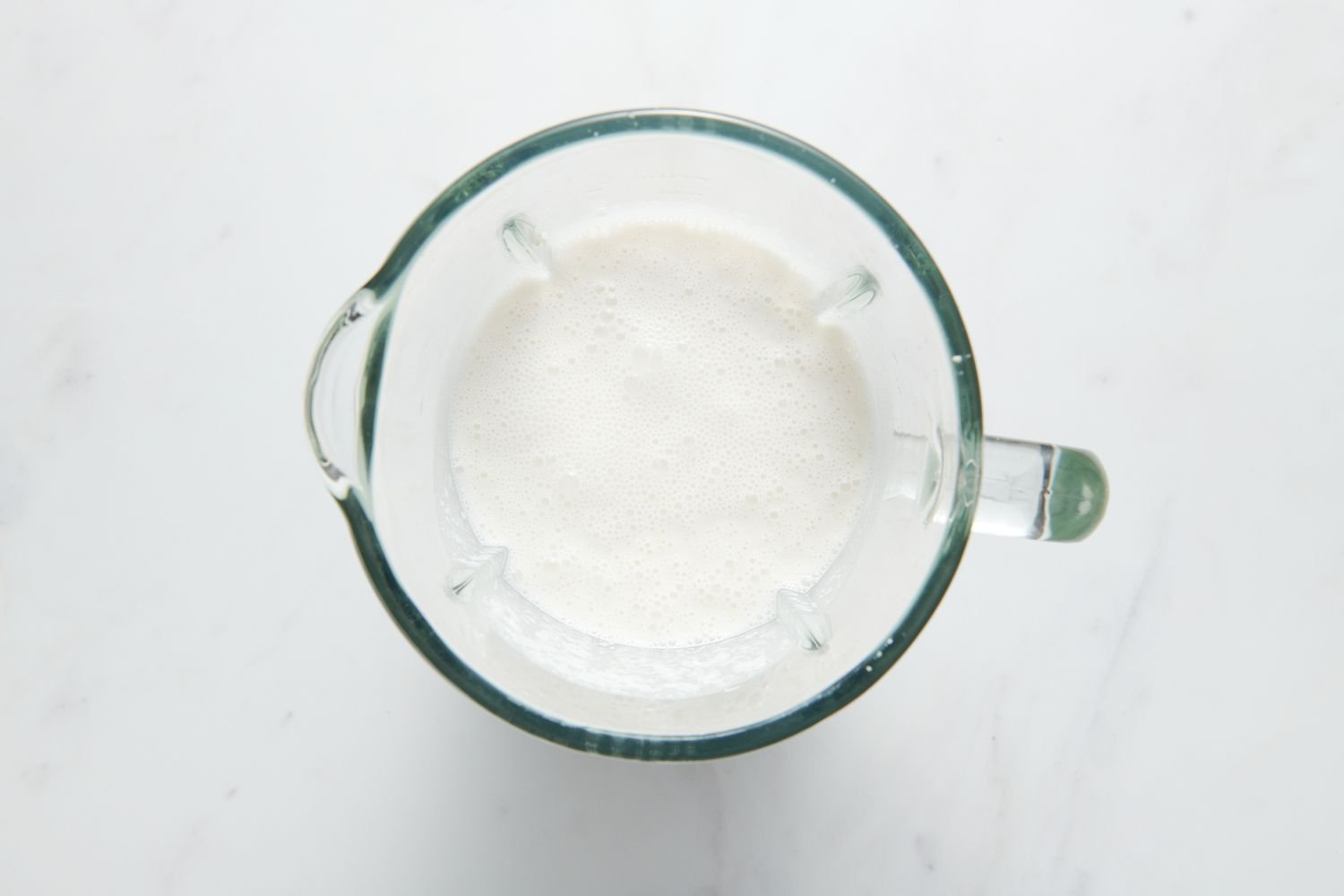
Add 1/4 cup of water while blending the rice, adjusting with additional water until a smooth, thick, and pourable consistency is reached, approximately an extra 1/4 cup.
-
9Combine Batters
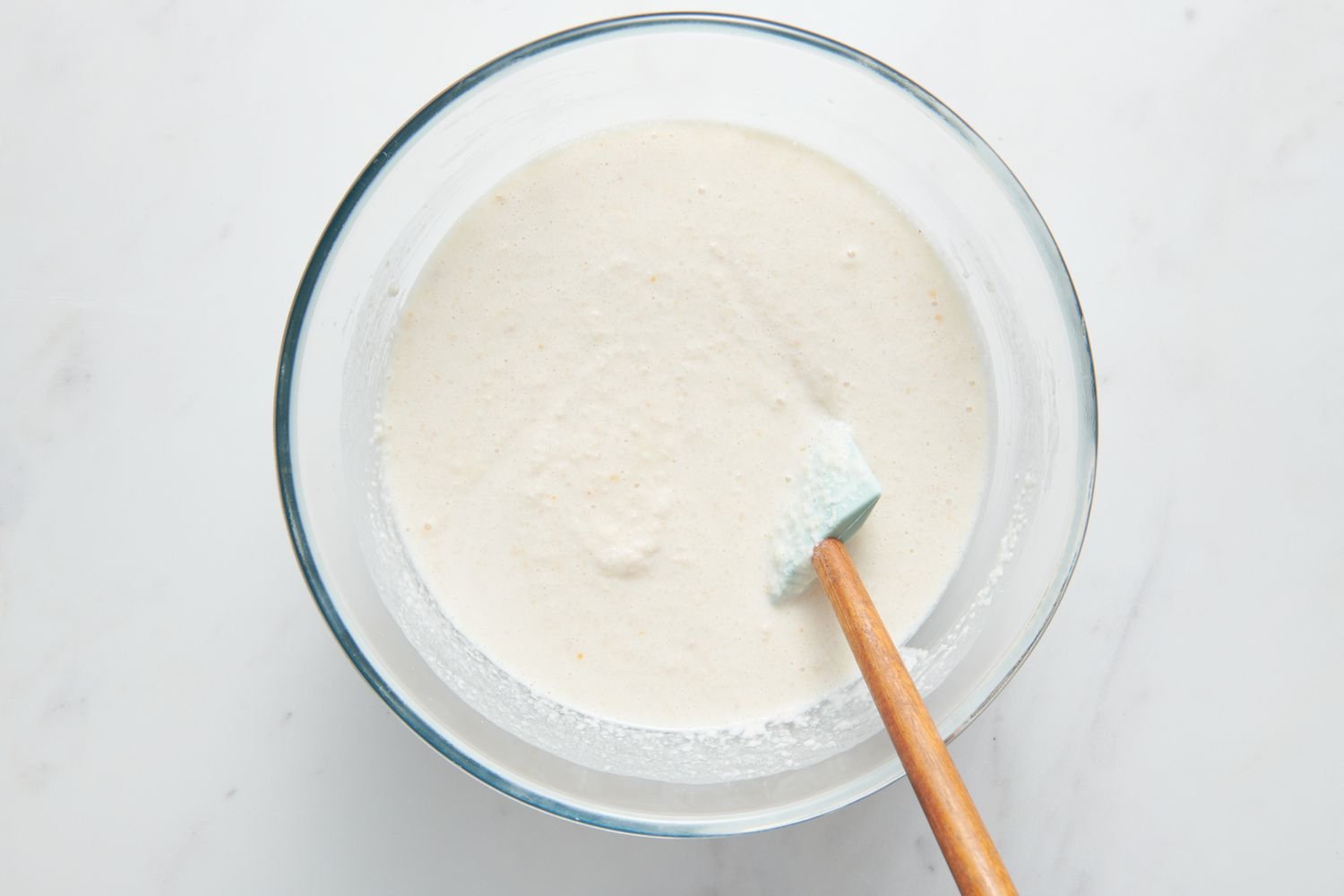
Add the rice batter to the bowl containing the urad dal batter and mix them thoroughly using a spatula.
-
10Flavor and Ferment
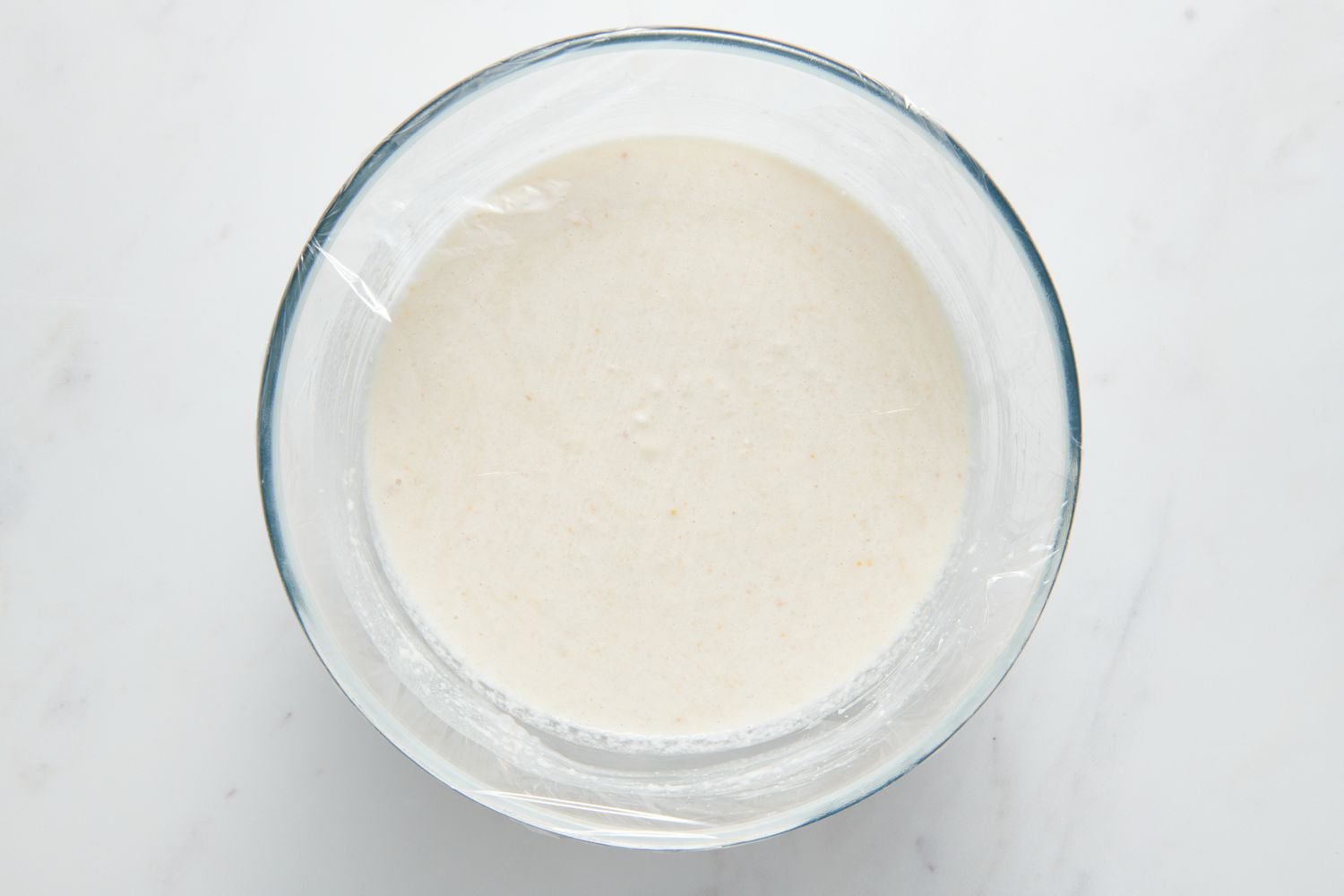
Add 1 teaspoon of fine salt, cover the mixing bowl, and place it in a warm area. Let it ferment for 8 to 12 hours.
-
11Check Fermentation
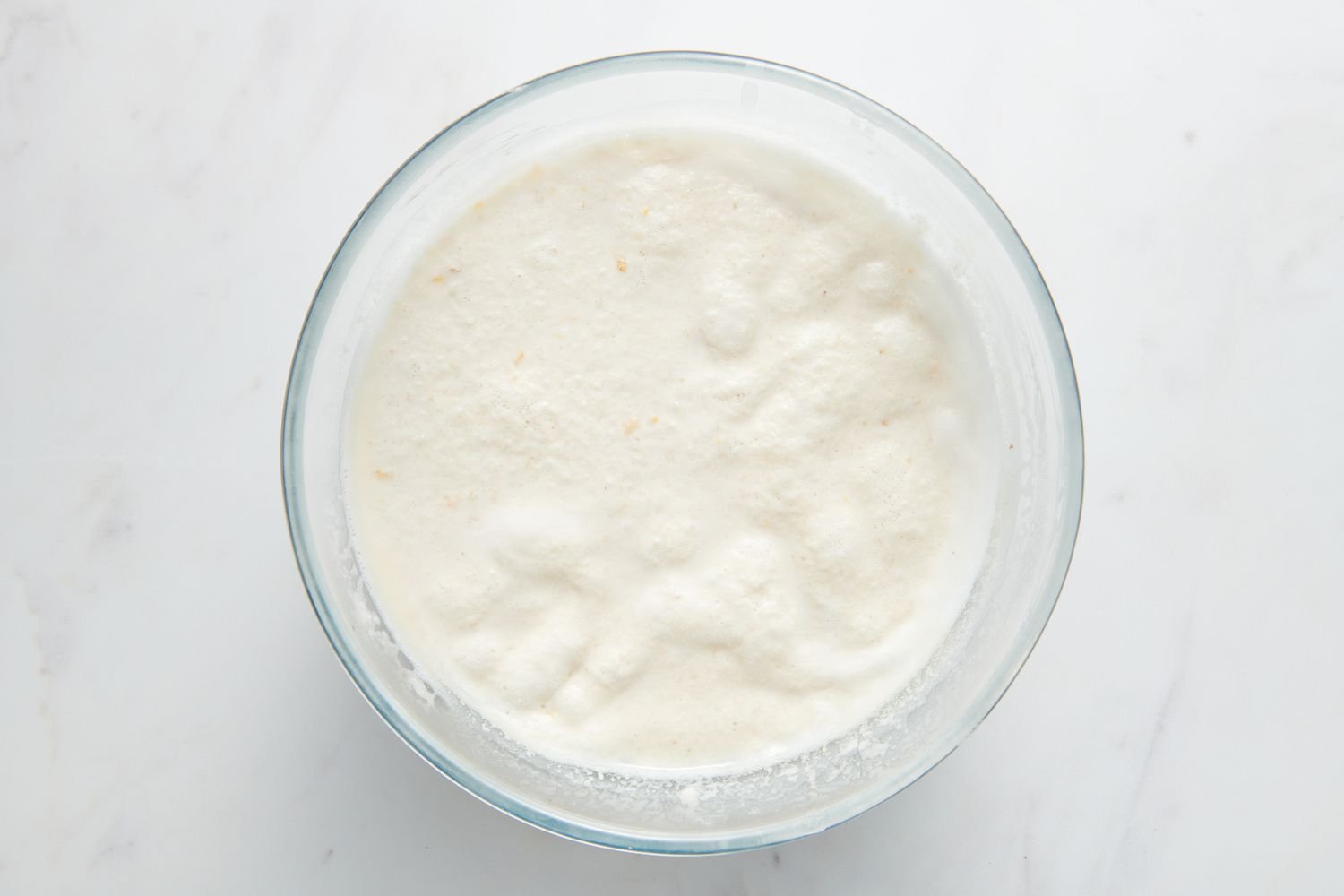
After 8 hours, check the batter. It should have risen and have a slightly sour aroma. Stir to ensure a light and pourable consistency, adding water if needed.
-
12Heat the Skillet
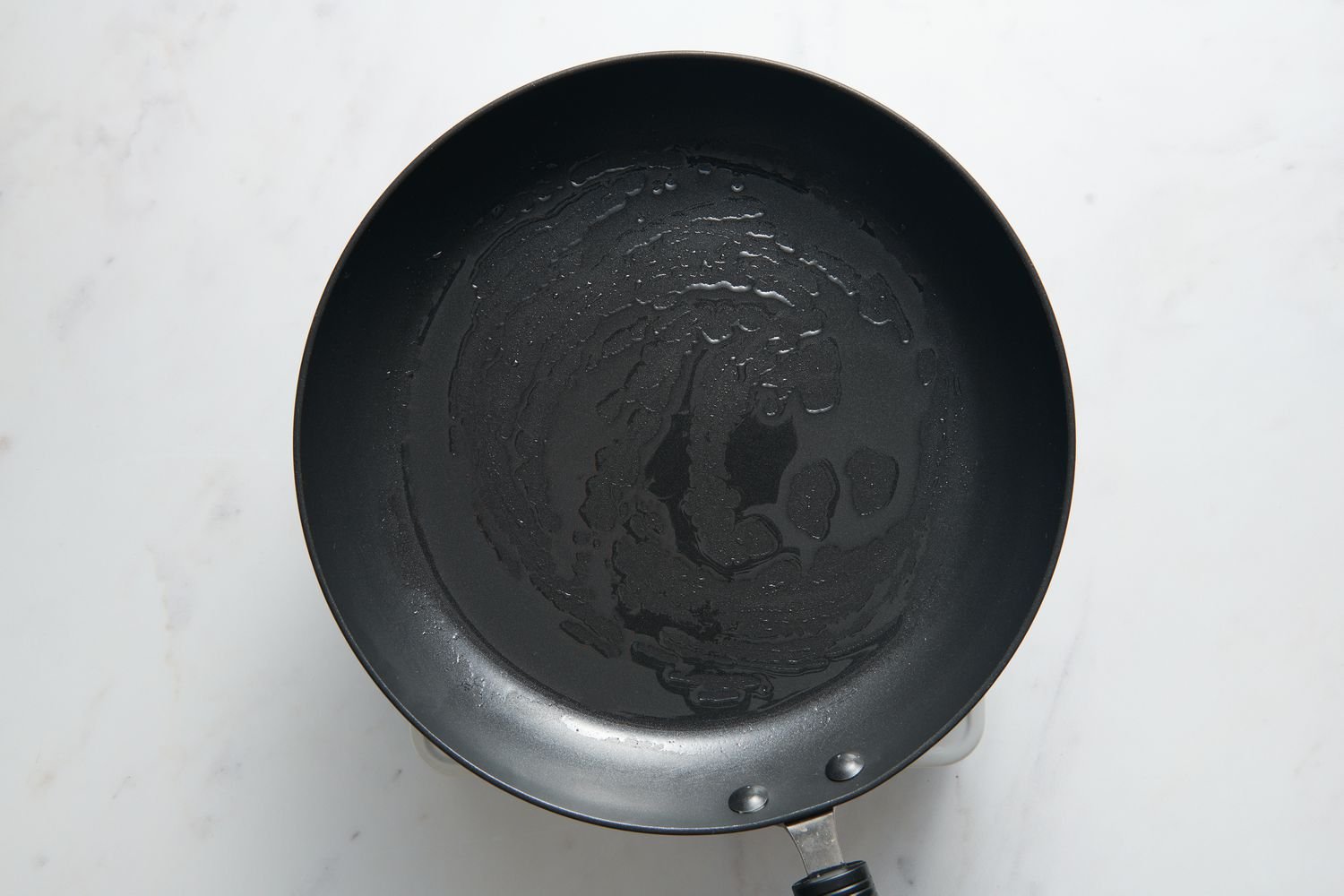
Heat a large nonstick skillet over medium-high heat and lightly grease it with ghee or vegetable oil.
-
13Pour Batter
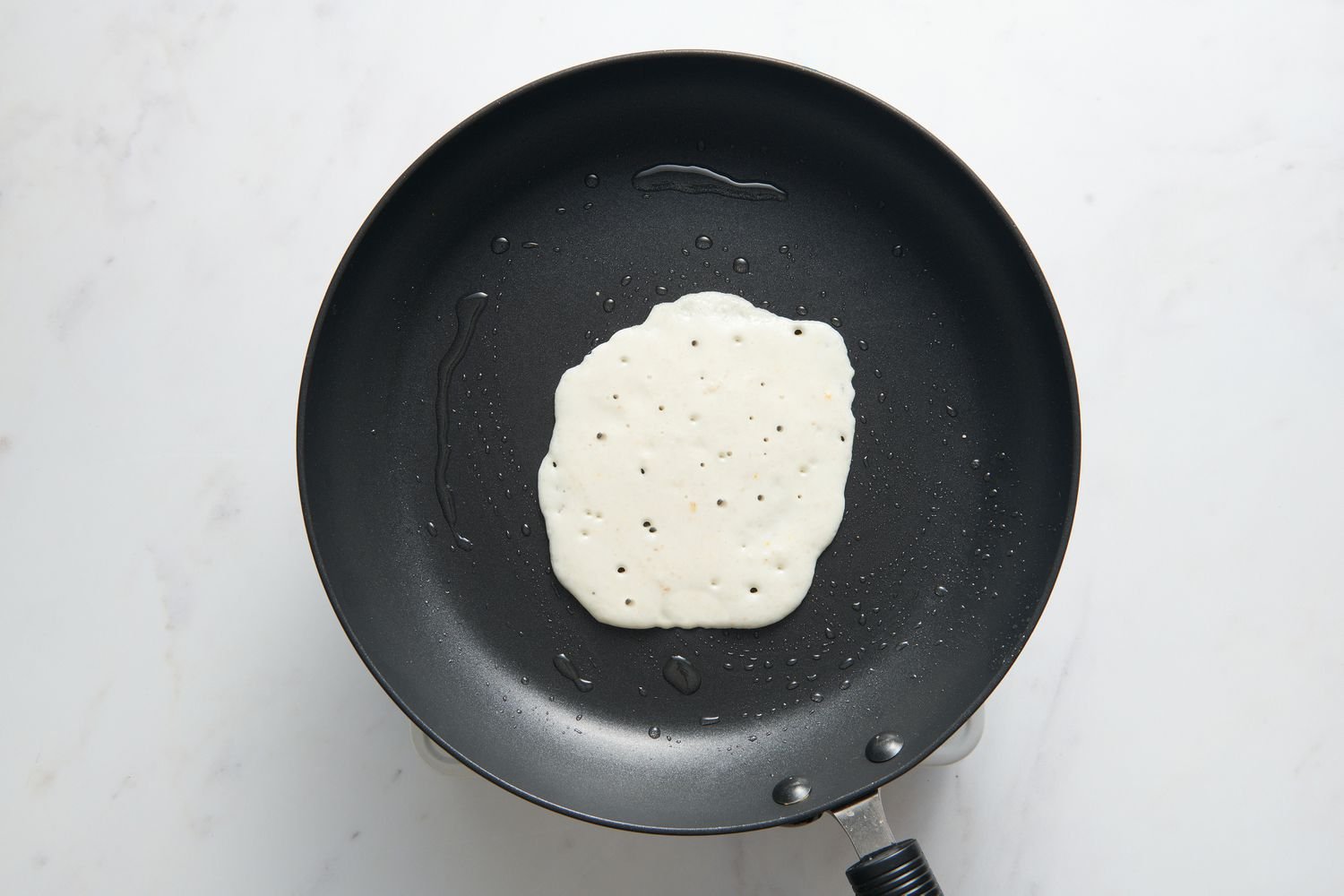
Using a ladle, pour a portion of batter into the center of the skillet, ensuring it has an average thickness between a dosa and a pancake.
-
14Add Toppings
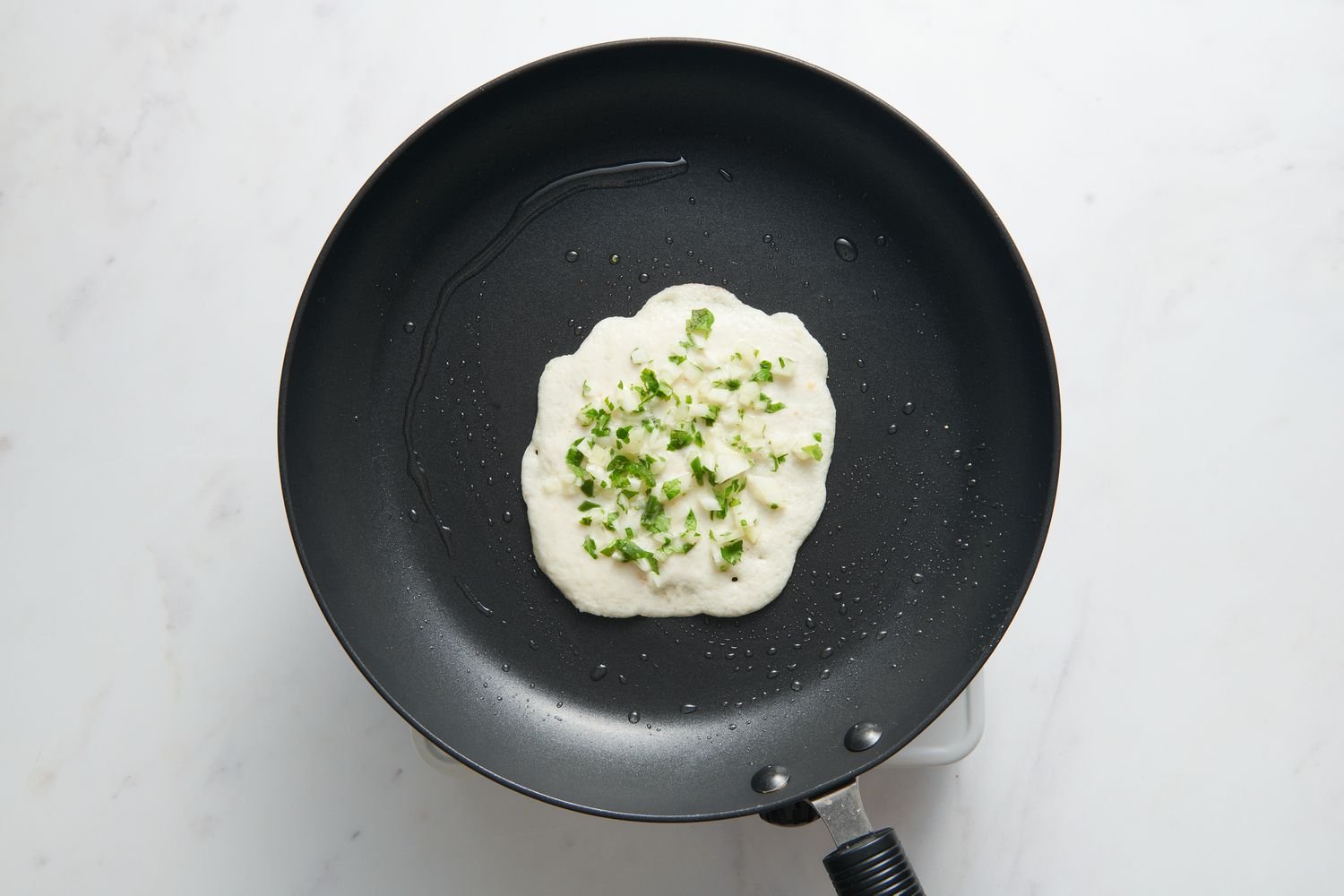
While cooking, sprinkle chopped onions, green chilies, and cilantro on top of the uttapam.
-
15Cook and Flip
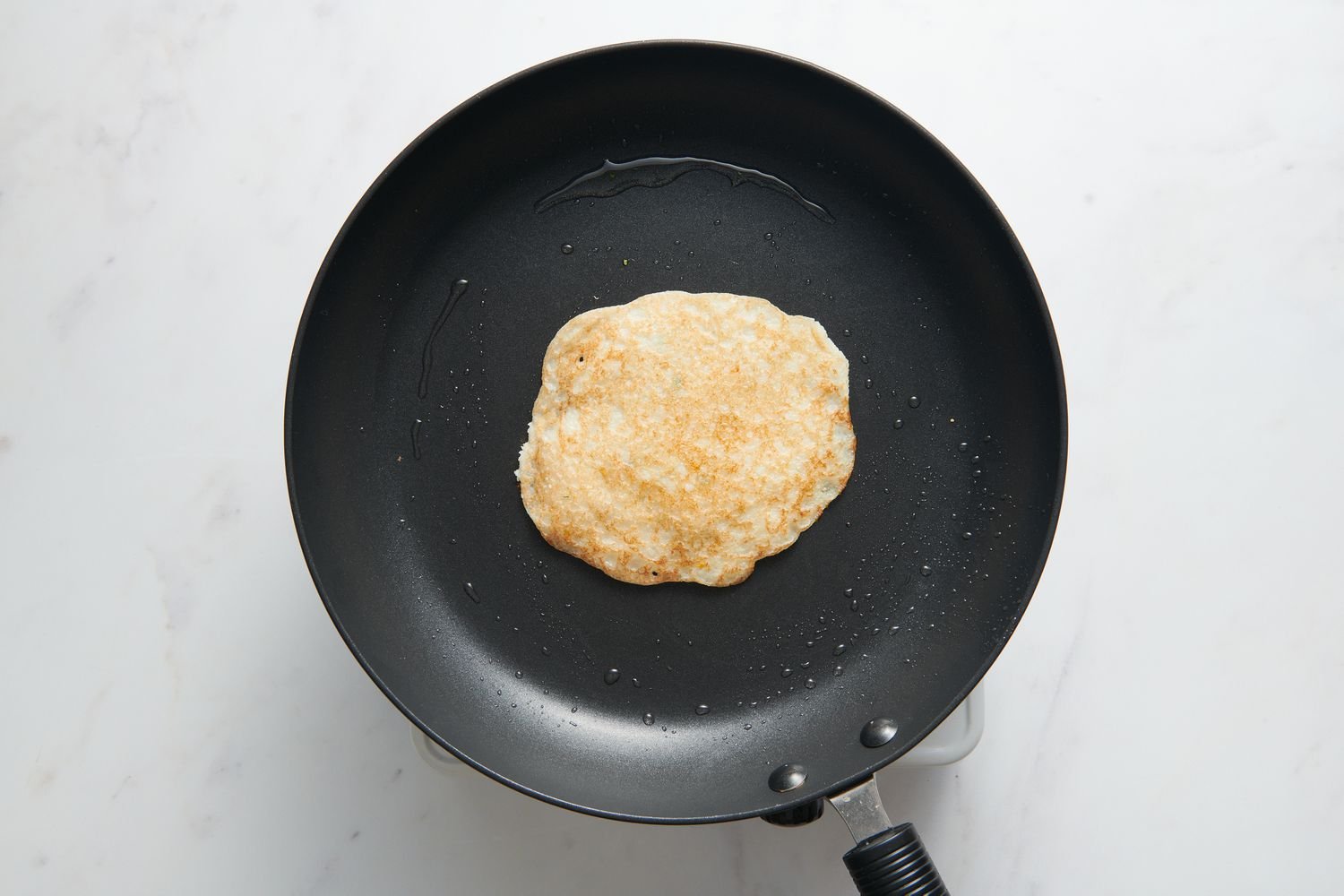
Drizzle around 1 teaspoon of ghee or vegetable oil to help the edges crisp. Once the edges start to turn golden, flip the uttapam with a spatula.
-
16Finalize Cooking
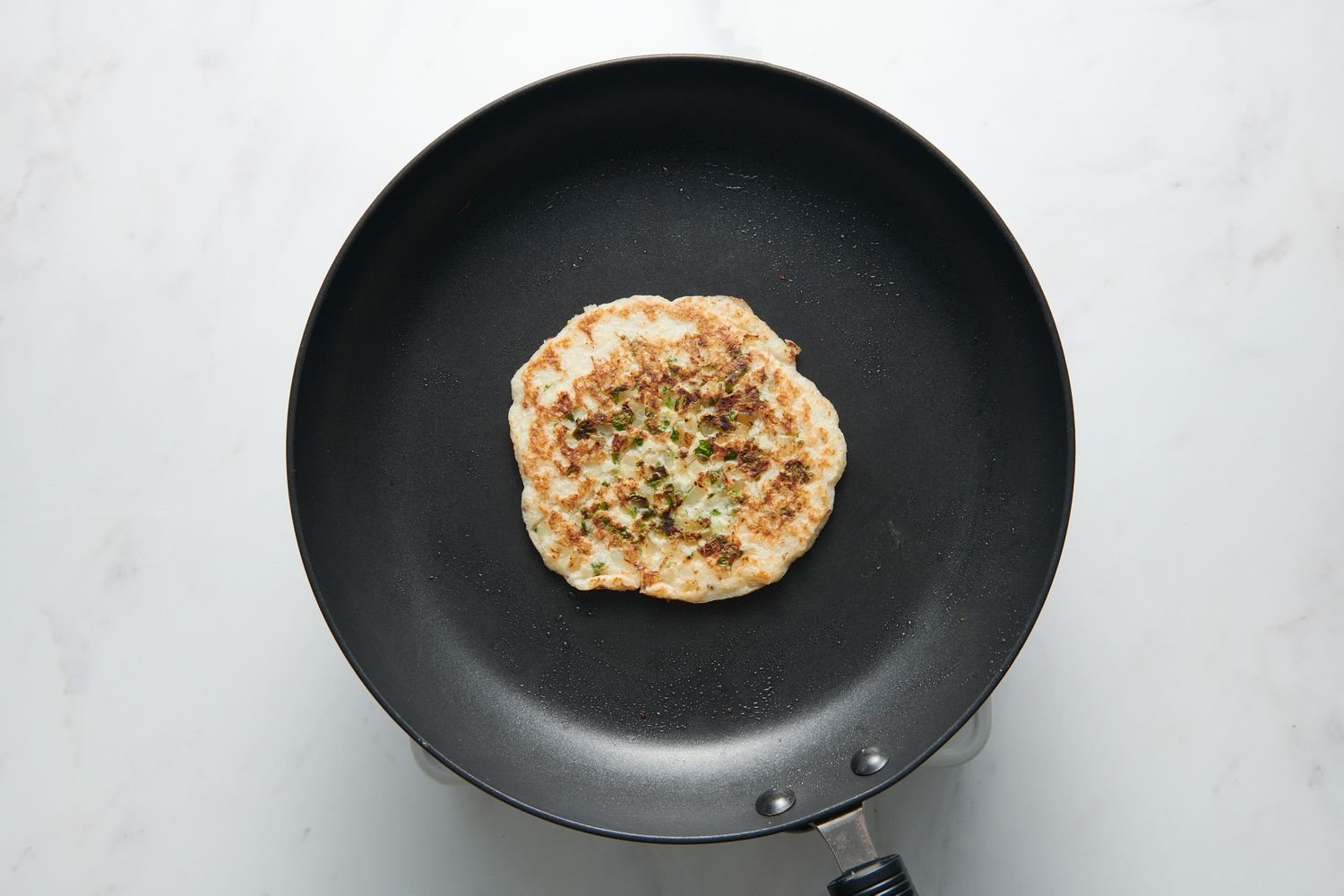
Gently press the uttapam to ensure the toppings stick. Once the toppings are slightly browned, the uttapam is ready to be served.
-
17Serve Hot
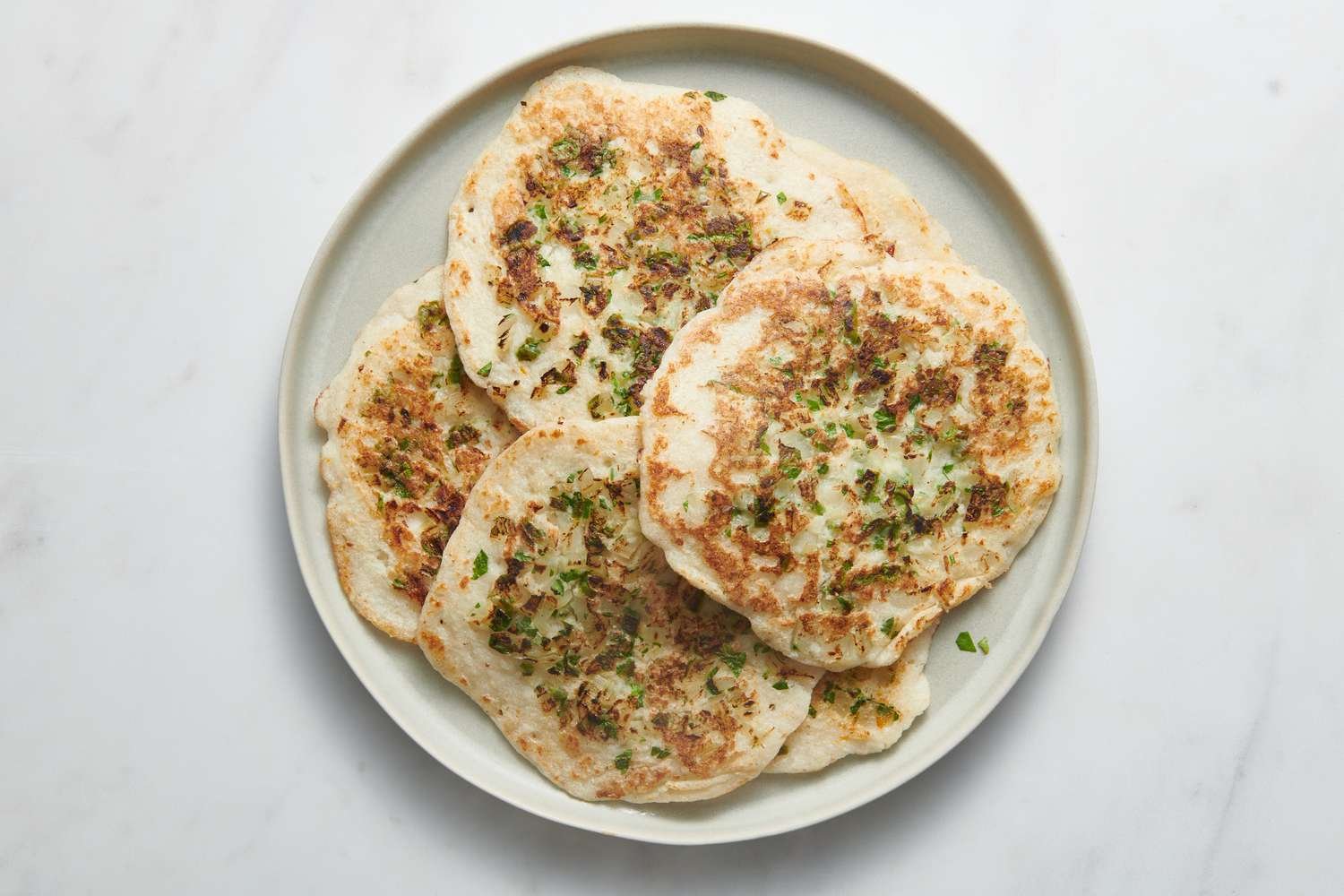
Continue cooking until all the batter is used. Transfer the uttapams to a plate and serve hot with coconut chutney and/or sambar.
Uttapam is a South Indian breakfast dish made from a fermented batter of rice, urad dal (a kind of lentil), and fenugreek seeds. Once prepared and poured onto a pan, the optimal texture is crispy on the edges and soft in the center.
Pleasant and lightly sour in flavor, uttapam is like the savory cousin to the sweet breakfast pancake we’re all familiar with. Manali’s mother taught her this recipe, as it checked off many of her requirements during her college years: economical, filling, and nourishing.
Notes On Fermenting the Batter
Overall, this recipe is pretty simple, but the fermentation step could be tricky depending on your experience working with ferments. Luckily, the fermentation period is short for this recipe, so you don’t need to worry about monitoring the batter for very long. Overnight in most climates is ideal, so you can simply prepare the batter the night before you want to enjoy uttapam for breakfast.
Change Up the Toppings
This dish is versatile, so while the toppings we include in this recipe are the classics, feel free to go your own way. For example, Manali’s mother used to make hers with grated beetroot and carrot as a way to sneak more vegetables into her diet.
Uttapam is typically served with coconut chutney and sambar (a sweet and tangy soup), but you may want to switch things up, and that’s okay! You may try another chutney or dust on some podi powder, instead. One of Manali’s favorites is simply to mix a little sambar spice powder with oil and use it for dipping.
The Difference Between Uttapam and Dosa
Lastly, a word on the difference between uttapam and dosa. The two recipes share the same ingredients, but in order to get the thin and crispy texture of a dosa, more rice is used in the batter. That said, in an attempt to simplify things, many Indian households will use the same batter and just spread it out thinner on the pan for cooking.
Tips for Making Uttapam
- The best spatula to use—Use a flat wooden or steel spatula for this recipe, as a silicone one doesn’t work very well for flipping
- Where to buy the right kind of rice—Sona Masuri (masoori) rice can be purchased from Walmart (look for Royal brand) or any Indian store.
- Keep the batter warm—If you live in a cold climate, you may want to store the batter in the oven. Just make sure you leave the oven light on, as it will create more heat and ease the fermentation process.
- When to flip—You know the uttapam is about ready to flip when the sides get golden and crispy.
- Don’t skip the fenugreek seeds—They help the batter to achieve the right texture.
Never Lose a Recipe Again!
How to Store
It’s important not to make more uttapams than you want for one sitting as they tend to lose their taste. Instead, you can store the remaining batter in the fridge for up to 3 days. It may thicken during this time, which you can amend by simply adding a little water and salt. Allow the batter to reach room temperature before cooking.
Feeling Adventurous? Try This
- Use different vegetables—Other than the toppings used in this recipe, you can use chopped and shredded cabbage, diced tomatoes, peas, diced bell peppers…just about anything.
- Make uttapam with tempered spices—Manali’s personal favorite iteration of this recipe is a tempered uttapam. Exclude the toppings and instead, heat some oil in a small pan and add mustard seeds, cumin seeds, asafoetida, curry leaves, and ginger-chili paste (skip any of the ingredients you don’t have or like). Sauté the spices for a few minutes or until their aroma is released. Then, working quickly, transfer the tempered spices and oil into the batter. Ensure you stand away from the bowl, as the oil may splatter. Mix thoroughly to avoid any lumps and proceed making the uttapams as indicated in the recipe.
[/raw]